-
"Polish Spring" Cabbage Soap
Regular price From $12.95Regular price$0.00Sale price From $12.95 -
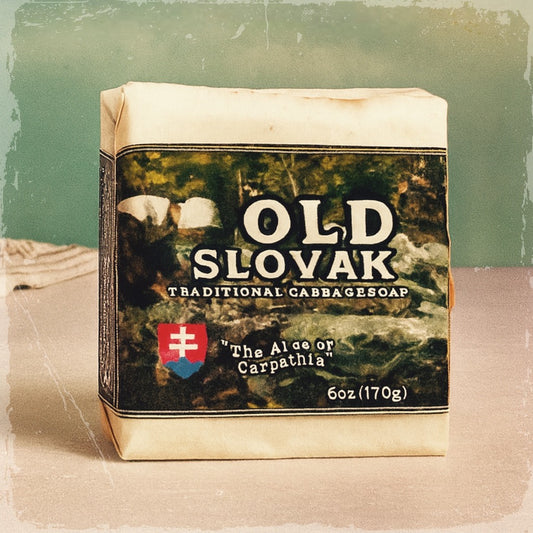
Old Slovak Traditional Cabbage Soap
Regular price From $12.95Regular price$0.00Sale price From $12.95 -
Ukrainian Oatmeal Soap
Regular price From $9.95Regular price$0.00Sale price From $9.95 -
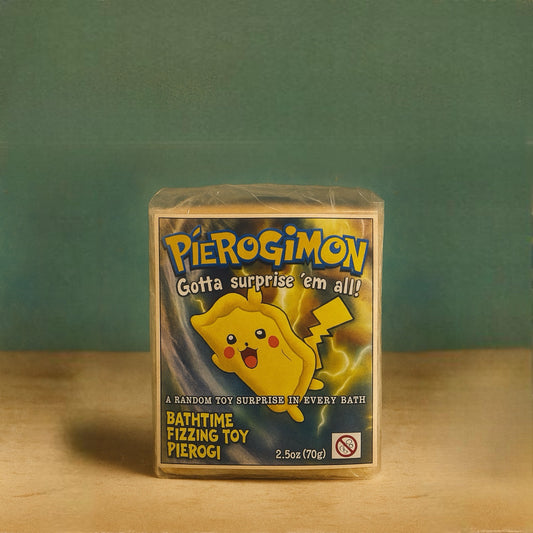
Pierogi Bath Bomb Toy Surprise for Kids & Sensitive Skin
Regular price From $5.00Regular price


Collection: Slavic Soaps
Handmade Bar Soaps
Regent Park Naturals bar soaps are made the old way, with real ingredients chosen for function, not filler. Each bar is formulated in small batches using traditional soapmaking methods that preserve the natural glycerin created during saponification. The result is a long‑lasting bar that cleans effectively without stripping the skin.
Our soaps are inspired by the practical folk remedies of Eastern European and Appalachian traditions, where plants, clays, grains, and roots were used because they worked. Oatmeal, bentonite clay, cabbage, burdock root, jewelweed, and other botanicals are incorporated at meaningful levels, not token amounts added for label appeal.
Unlike mass‑market soaps that rely on synthetic detergents, artificial fragrance oils, and colorants, Regent Park Naturals bars are true soap. They are cured slowly, cut by hand, and packaged with minimal waste. Each bar is intentionally oversized to provide better value and longer use.
If you are looking for a natural bar soap made with integrity, transparency, and respect for both skin and environment, this collection represents the core of what Regent Park Naturals stands for.
Why Our Bars Are Different
Size and Value
Regent Park Naturals bars average approximately 6 ounces per bar. Many commercial and online competitors sell bars in the 2 to 4 ounce range, often at similar price points. A larger bar means more washes, slower wear, and better cost per use.
Ingredient Integrity
We use whole, recognizable ingredients and disclose what they do. Oatmeal is added for real exfoliation and skin soothing. Clays are included at levels that actually bind oils and impurities. Botanicals are chosen for traditional use and function, not trends.
Small‑Batch Craftsmanship
Every bar is made in small batches, allowing for quality control, recipe refinement, and consistency. There is no industrial extrusion, rebatching of anonymous base, or mass automation.
Environmental Considerations
Handmade production uses less energy, fewer chemical inputs, and minimal packaging. Bars are wrapped simply and shipped without excessive plastic or multilayer waste.
Comparison Chart
| Feature | Regent Park Naturals | Typical Commercial Bar Soap |
|---|---|---|
| Average Bar Size | ~6 oz oversized bar | 2–4 oz standard bar |
| Soap Type | True cold‑process soap | Synthetic detergent bar or rebatch |
| Ingredients | Natural oils, clays, grains, botanicals | Artificial surfactants, fillers, stabilizers |
| Botanical Content | Meaningful functional levels | Trace or marketing‑only amounts |
| Fragrance | Essential oils or minimal fragrance | Synthetic fragrance blends |
| Production Method | Small‑batch, handmade | Mass‑produced, automated |
| Glycerin | Naturally retained | Often removed and sold separately |
| Packaging | Minimal, low‑waste | Plastic or multilayer packaging |
| Carbon Footprint | Lower energy, small‑scale production | High energy industrial manufacturing |
| Transparency | Clear ingredient purpose | Proprietary blends and vague labeling |
A Better Bar of Soap
Choosing a handmade bar soap is not just about avoiding harsh ingredients. It is about supporting a production model that values craft, transparency, and long‑term skin health. Regent Park Naturals bars are made to be used daily, shared, gifted, and relied upon, just like the soaps that came before modern mass manufacturing.
Browse the collection below to find the bar that fits your skin, your values, and your home.
Bar Soap FAQ
1. What soap is best for a new tattoo?
For fresh tattoos, gentle cleansing without stripping oils is key. Our Old Slovak cabbage soap, made with natural oils, cabbage leaf, and mild essential oils, creates a soothing lather without synthetic detergents. Many tattoo artists recommend unscented or lightly scented soaps with natural emollients. Our cabbage-based bars fit that guidance, as do our Odds and Ends unscented batches. They are free of sulfates, parabens, and artificial fragrance, making them well suited for healing skin that still needs gentle washing.
2. What soap is best for very sensitive skin?
Our Polish Spring cabbage soap and Dandelion Patchouli bar are both formulated for delicate skin. Cabbage contributes plant-based calming compounds, while sunflower and coconut oils cleanse without unnecessary irritation. If your skin flares easily, many customers reach for our Oatmeal and Burdock Anti Poison Ivy bar. It is made with bentonite clay and jewelweed, a traditional folk remedy used to calm redness and itch. All of our soaps are small-batch, cold-process, and free from harsh detergents commonly associated with irritation.
3. Which soap is the best for itchy skin?
Itchy skin often needs moisture combined with mild detoxification. Our Anti Poison Ivy Soap was designed with that balance in mind. Oatmeal helps relieve itch, jewelweed soothes irritation, and bentonite clay absorbs oils and impurities. For chronic dryness or seasonal winter itch, the Old Slovak cabbage bar and Turmeric Dandelion bar are also popular options due to their rich lather and plant-based ingredients.
4. What is the best bar soap for the money?
Regent Park Naturals bar soaps offer artisan quality at an everyday price. Each bar is handmade from scratch near Pittsburgh using wild-foraged botanicals such as cabbage leaf, burdock root, nettle, and raspberry leaf. At approximately ten dollars per bar, or three for twenty-five, you receive oversized bars made with premium ingredients at a price point comparable to mass-produced natural brands. Even our discounted Odds and Ends bars contain the same ingredient integrity, with only cosmetic variations.
5. What is the healthiest soap to use?
The healthiest soaps tend to be those that cleanse without stripping the skin’s natural barrier. Our cabbage soaps, Old Slovak and Polish Spring, are cold-process bars made with coconut, sunflower, and castor oils, cabbage leaf, and essential oils, with no synthetic dyes or detergents. Other favorites include the Appalachian Secret pine tar bar for deep cleansing and the Turmeric Dandelion bar for its antioxidant-rich plant ingredients. We do not use palm oil, artificial fragrance, or detergent bases.
6. What soap is good for inflammation?
For inflamed or reactive skin, botanical selection matters. Burdock root and jewelweed, found in our Anti Poison Ivy Soap, are traditionally used for their calming properties. The Turmeric Dandelion soap contains curcumin-rich turmeric, widely known for its anti-inflammatory potential. Even our cabbage-based soaps include plant antioxidants that help support stressed skin during daily cleansing.
7. What does turmeric soap do for your skin?
Turmeric soap is often chosen for dull or uneven-looking skin. Turmeric contains curcumin, a naturally occurring compound associated with antioxidant activity. Our Dandelion Turmeric bar blends turmeric with dandelion tea, oatmeal, and peppermint to create a creamy lather that gently cleanses while leaving skin feeling refreshed. It provides mild exfoliation without the need for abrasive scrubs.
8. What is the best natural soap?
The best natural soap depends on your skin’s needs. Many customers gravitate toward the Old Slovak cabbage soap for everyday use, the Anti Poison Ivy bar for skin relief, and the Appalachian Secret pine tar soap for a classic, deep-clean feel. All of our soaps are cold-process, small-batch, wild-foraged where possible, and made in Pennsylvania. For us, a truly natural soap means knowing who made it, what is in it, and why each ingredient is there.
9. What are the top soaps in your collection?
Customer favorites include the Anti Poison Ivy Soap, Old Slovak Cabbage Soap, Polish Spring Cabbage Soap, Dandelion Patchouli Soap, Turmeric Dandelion Bar, Appalachian Secret Pine Tar, True Grit with lemon, pumice, and coriander, Way of the Woodsman Soap, Pierogi on a Rope gift bars, and our rotating Seasonal Odds and Ends batches. Each reflects our commitment to traditional ingredients, local inspiration, and small-batch production.
10. What is the best soap to get rid of poison ivy?
Our Anti Poison Ivy Soap was created specifically for this purpose. It combines jewelweed, burdock root, oatmeal, and bentonite clay, ingredients traditionally used to help remove urushiol oil and calm irritated skin. It is a modern interpretation of a long-standing folk remedy, offered in a handmade bar designed for regular use.
11. How effective is Tecnu compared to natural poison ivy soaps?
Tecnu is a chemical cleanser formulated to neutralize urushiol on contact, but some people find it drying. Our Anti Poison Ivy Soap provides a botanical alternative that many users find gentler. Jewelweed has long been associated with poison ivy relief, while oatmeal and clay help soothe skin rather than strip it. Some customers use Tecnu for immediate exposure and follow with our bar for ongoing care.
12. Who makes Odds and Ends soap?
When people search for Odds and Ends soap, they are often looking for discounted or irregular bars from small-batch makers. At Regent Park Naturals, our Odds and Ends are simply the offcuts or visually imperfect bars from our regular production runs. They are made with the same recipes and ingredients as our full-size bars. We are a small Pittsburgh-based studio, not a factory, so every bar is still handmade and unique.
At Regent Park Naturals, we make wild-foraged, heritage-inspired soaps such as the Old Slovak and Polish Spring cabbage bars, the Anti Poison Ivy soap, and our rotating Odds and Ends. Whether you are caring for a new tattoo, calming irritated skin, or looking for a healthy everyday bar, our soaps are made to deliver function, transparency, and a sense of place rooted in Pennsylvania.
